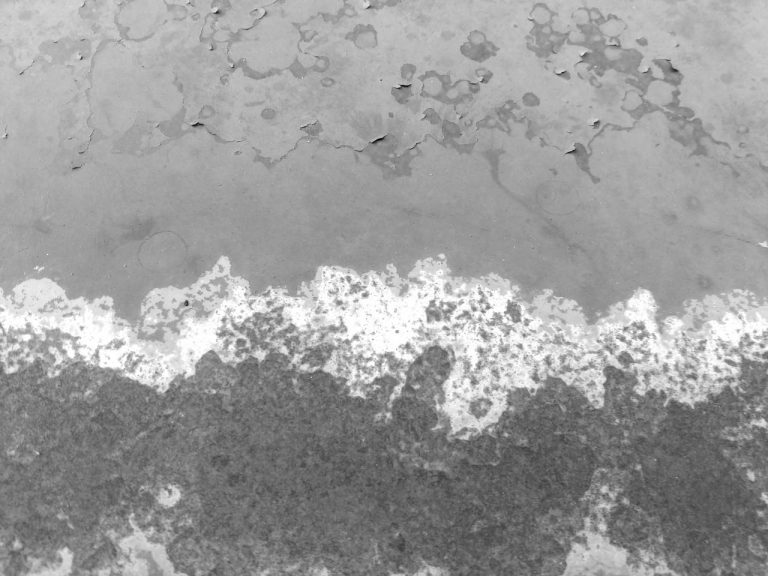





Oxygen scavengers perform a critical protective function by chemically reacting with dissolved oxygen before it reaches your boiler’s metal surfaces. This prevents internal pitting — a localized form of corrosion that creates small, deep cavities in metal. Unlike general surface corrosion, pitting penetrates rapidly and can cause tube failures even when your overall corrosion rates appear manageable.
Selecting the appropriate oxygen scavenger depends on your system pressure and operating conditions. For example, sodium sulfite works effectively in low- to medium-pressure boilers, reacting with oxygen to form sodium sulfate. This rapid reaction can provide reliable protection, but sulfite-based scavengers also add dissolved solids to your system — a concern in high-pressure applications where purity standards are strict.
For high-pressure systems, we often recommend volatile oxygen scavengers like diethylhydroxylamine (DEHA). These compounds react with oxygen while leaving minimal residue. DEHA and similar volatile scavengers also provide some passivation benefits, helping to form a protective magnetite film — an iron-oxide layer — on your system’s metal surfaces.
The choice between sulfite-based and volatile oxygen scavengers isn’t universal, however. The decision demands expert assessment of boiler pressure and steam purity requirements, plus whether the system includes deaerating equipment.
Proper dosing also requires an in-depth understanding of both the oxygen content entering your system and the precise chemical ratios needed for complete neutralization. While mechanical deaeration removes most dissolved oxygen from feed water, residual oxygen remains. That’s where Chardon’s expertise matters — we handle this leftover oxygen and provide a safety margin during operational upsets when your deaerator performance may temporarily decline.
Chardon’s technicians evaluate these variables during the initial system survey. The right oxygen scavenger, dosed correctly and monitored through regular testing, protects against the type of localized corrosion that causes unexpected failures. Our corrosion inhibitor solutions integrate oxygen scavenging into broader protection strategies tailored to your facility’s needs.